Paver Driveways vs. Concrete Driveways: Which Option Lasts Longer
People searching for paver driveway installation want durable, long-lasting surfaces, and local contractors can help choose and install the best option for lasting quality.
When considering driveway options, property owners often wonder which material will stand the test of time and provide lasting value. Paver driveways and concrete driveways each have their unique advantages and challenges, making it important to understand their durability and longevity. Those exploring this topic are likely seeking practical insights to help make informed decisions about their home’s curb appeal and long-term investment. Local contractors who specialize in driveway installation can offer valuable guidance tailored to the specific conditions of the area, ensuring that the chosen material meets both aesthetic and functional needs.
Understanding how paver driveways compare to concrete driveways in terms of durability can influence future maintenance and repair plans. Paver driveways, for example, often excel in areas prone to shifting or cracking, thanks to their flexible nature and ease of replacement. Meanwhile, concrete driveways tend to be more straightforward but may require repairs over time if cracks develop. Property owners interested in longevity should consider consulting with experienced local service providers, who can assess site conditions and recommend the best approach to maximize driveway lifespan. Keep reading to discover practical insights that can help determine which option might be the most durable choice for your property.
- Paver driveway installation - local contractors can help homeowners decide if paver driveways are suitable for their property and provide expert installation that enhances durability.
- Concrete driveway installation - service providers often recommend concrete for those seeking a long-lasting, low-maintenance surface and handle the work efficiently.
- Paver driveways vs. concrete driveways: which option lasts longer - local pros can assess site conditions and advise on the best material for longevity and performance.
- Paver driveway installation - experts focus on proper base preparation and joint sealing to maximize the lifespan of paver driveways compared to alternatives.
- Concrete driveway installation - experienced contractors ensure proper curing and reinforcement to extend the life of concrete surfaces over time.
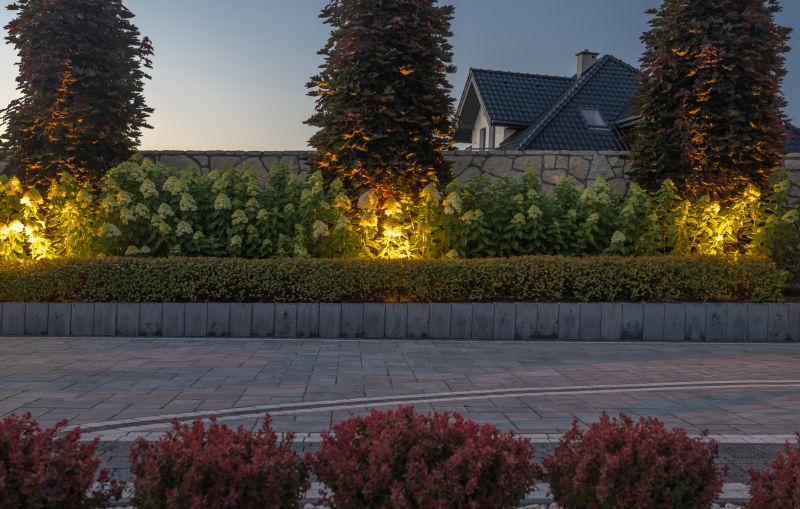
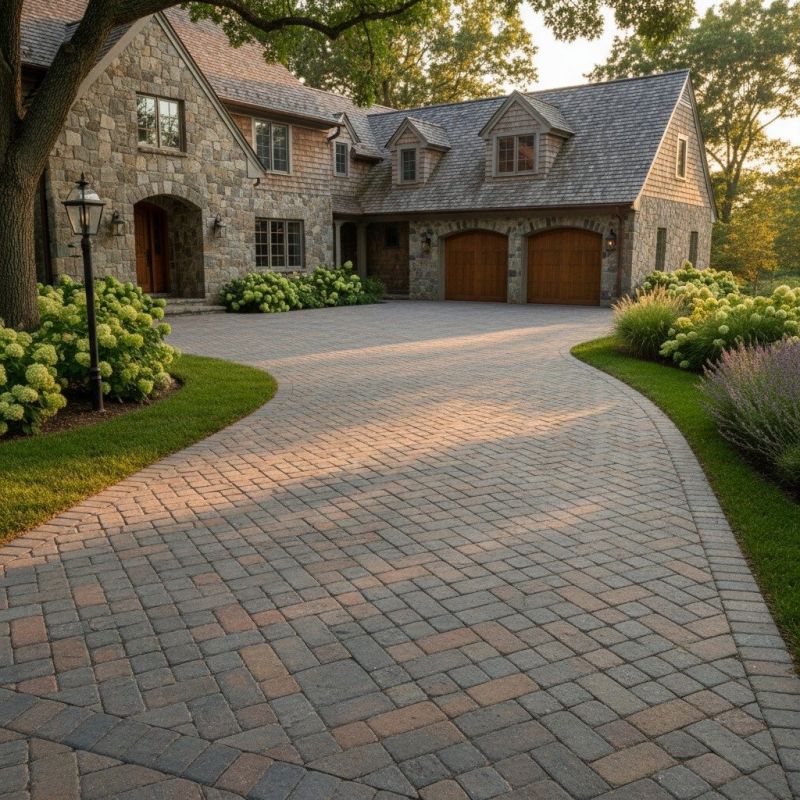
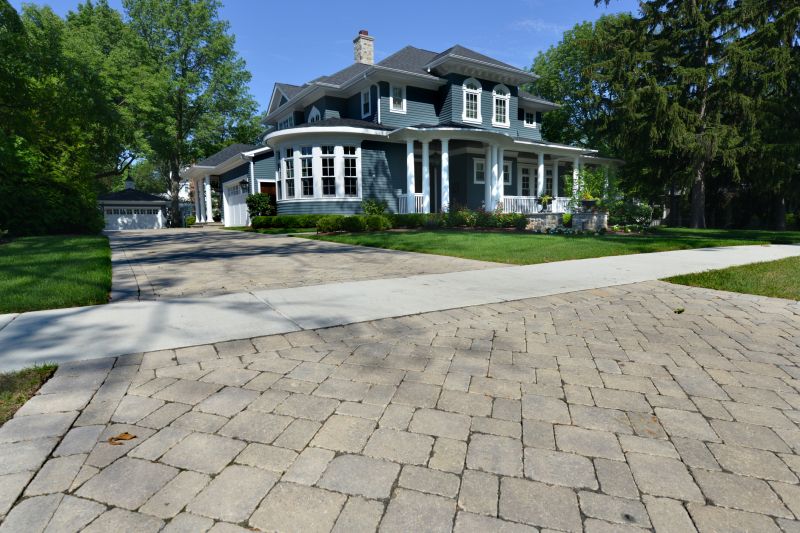
When homeowners begin exploring options for driveway surfaces, a common question is how paver driveways compare to concrete driveways in terms of longevity. This topic often comes up during planning phases for new installations or replacements, especially for properties where durability and long-term performance are priorities. People searching for this information usually want to understand which material will withstand the test of time, weather conditions, and daily use, helping them make informed decisions for their property. Typical projects involve residential homes, especially those with driveways that see frequent traffic, as well as commercial properties seeking durable, attractive surfaces. The focus is on how each material ages over time and what kind of maintenance or repairs might be needed to keep the driveway functional and visually appealing.
The questions surrounding paver driveways versus concrete driveways are often rooted in concerns about cracking, shifting, and overall wear. Homeowners planning for a driveway replacement or new construction want to avoid frequent repairs or early deterioration. These considerations are especially relevant for properties located in areas with harsh weather, such as freeze-thaw cycles or heavy rainfall, which can impact the longevity of driveway materials. Additionally, property owners with specific aesthetic preferences or those seeking a more customizable surface often look into paver options, while others prioritize a straightforward, low-maintenance concrete surface. The decision can also be influenced by the property's size, slope, and existing landscape, making it essential to work with experienced service providers who can recommend the best material based on these factors.
Properties that typically come up in discussions about driveway longevity include single-family homes, multi-unit residential complexes, and commercial establishments like retail centers or office buildings. These properties often require durable surfaces that can handle frequent vehicle traffic and exposure to the elements. For homeowners, the driveway is a key feature of curb appeal and functionality, so understanding how different materials age helps in planning for future repairs or replacements. Local contractors who specialize in driveway installation can assess the specific needs of each property and recommend whether paver driveways or concrete driveways will last longer given the local climate, soil conditions, and usage patterns. Their expertise ensures that the chosen surface will meet the long-term performance expectations of property owners.
Ultimately, the choice between paver driveways and concrete driveways hinges on factors like durability, maintenance, and aesthetic preference, all of which influence how long each option will last. Paver driveways are often praised for their ability to withstand shifting and cracking, thanks to their flexible, interlocking design, which can make them last longer in certain conditions. Conversely, concrete driveways tend to have a straightforward, solid surface that can endure many years with proper installation and care, but may be more susceptible to cracking over time, especially in areas with extreme weather. Working with experienced service providers can help homeowners understand the advantages and limitations of each material, ensuring the driveway they choose will serve their property well for many years to come.
Paving stone installation - professionals skilled in laying interlocking stones and pavers can apply similar techniques used in paver driveways, ensuring durability and longevity.
Concrete pouring and finishing - local contractors experienced in concrete work understand the importance of proper surface preparation and finishing, relevant to driveway longevity comparisons.
Landscape grading and drainage - ensuring proper drainage is essential for both paver and concrete driveways, and local service providers can help optimize site grading for lasting results.
Excavation and site preparation - foundational work common to driveway projects is a skill that local pros use when preparing the ground for either paver or concrete installations.
Joint and sealant application - installing expansion joints and sealants to prevent cracking is a technique used in both paver and concrete driveway work, handled by local specialists.
Pattern design and layout planning - designing driveway patterns with pavers requires planning and precision, skills that are also relevant to other hardscape projects handled by local contractors.
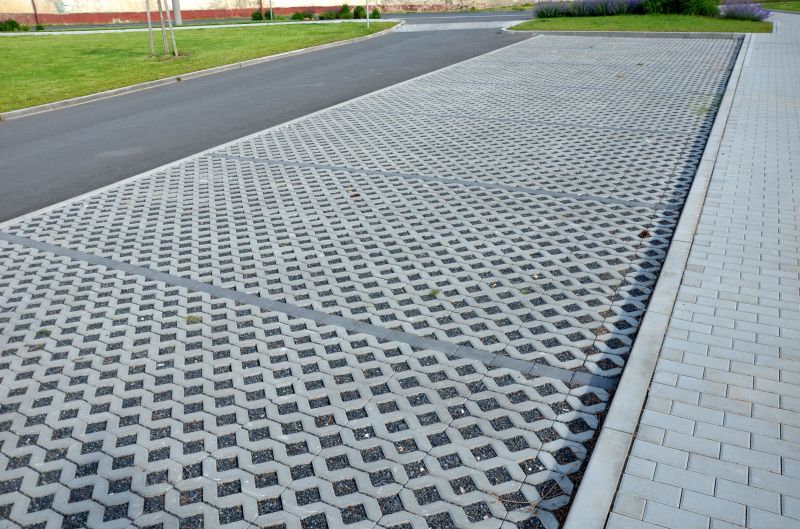
When comparing service providers for paver driveway installation versus concrete driveways, it’s important to evaluate their experience with similar projects. Homeowners should inquire about the types of driveways they have previously installed and whether they have handled projects comparable in size and scope. An experienced contractor will be familiar with the specific challenges associated with each material, such as the durability of pavers versus the longevity of concrete, and will be able to provide insights based on past work. Reputable local contractors often have a portfolio of completed projects and can share references that demonstrate their expertise in installing both paver and concrete driveways, helping homeowners gauge their familiarity with each option’s long-term performance.
Clear written expectations are essential when selecting a service provider, especially for projects involving driveway materials with different longevity profiles. Homeowners should seek detailed proposals that outline the scope of work, materials to be used, and maintenance considerations for both paver and concrete driveways. This documentation helps ensure everyone is aligned on the installation process and the expected lifespan of each option. Service providers who communicate openly and provide comprehensive written estimates tend to be more transparent and reliable, making it easier for homeowners to compare the durability and long-term value of paver driveways versus concrete driveways.
Reputable local contractors also distinguish themselves through their ability to maintain good communication throughout the project. Homeowners should look for providers who are responsive to questions and willing to explain the advantages and limitations of each driveway type. Good communication ensures that expectations regarding the longevity and maintenance of paver driveways versus concrete driveways are clearly understood from the outset. By choosing service providers with solid reputations and transparent communication practices, homeowners can make more informed decisions about which driveway option will best meet their needs for durability and lasting quality.
Property owners often search for paver driveways vs. concrete driveways: which option lasts longer when they are planning practical projects around their homes and businesses. Local pros provide Paver Driveway Installation services for everyday jobs and straightforward project options.
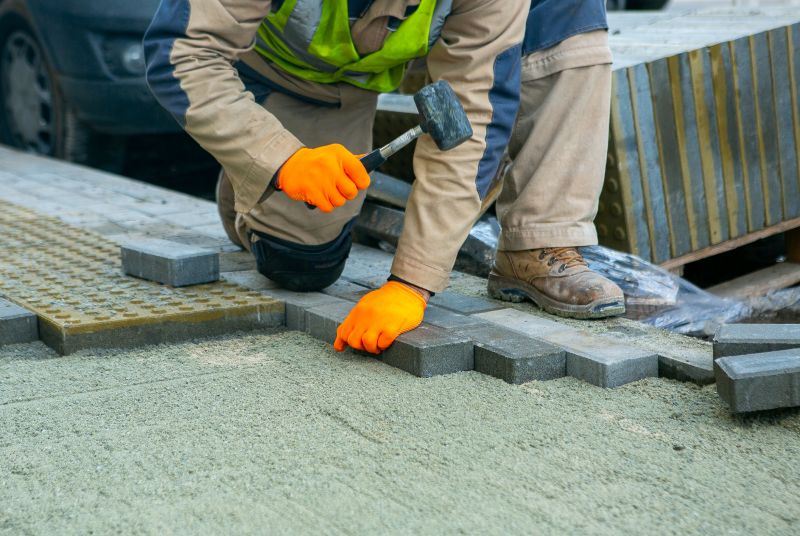
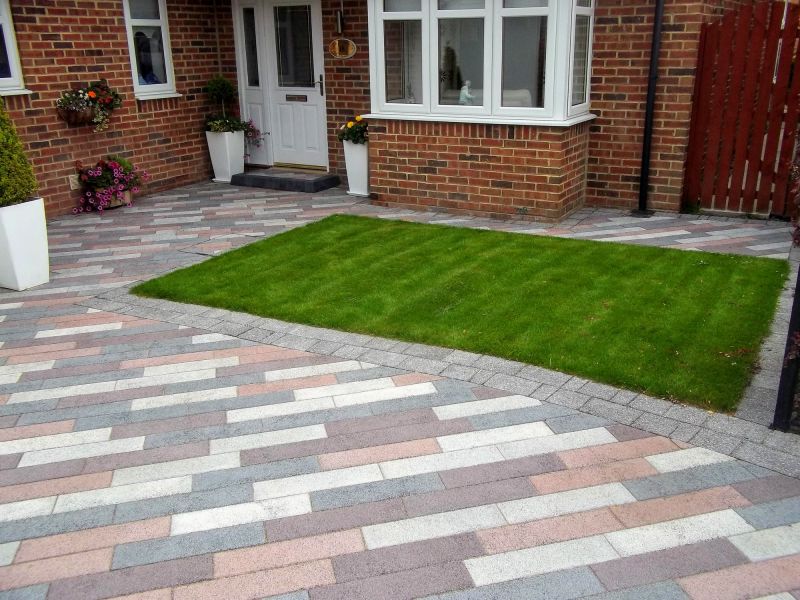
Property owners exploring driveway options often consider paver driveways vs. concrete driveways when thinking about long-term durability. Paver driveways are typically praised for their ability to withstand shifting and minor ground movements without cracking, thanks to the flexibility of individual pavers. This can make them a practical choice for areas prone to freeze-thaw cycles or soil movement, as local contractors can replace individual pavers if damage occurs, rather than needing to repair the entire surface. On the other hand, concrete driveways tend to be more susceptible to cracking over time due to ground settling or temperature fluctuations, which might lead property owners to wonder about their longevity and maintenance needs.
When deciding between the two, many in the local area turn to experienced service providers who can evaluate the specific conditions of their property. Paver driveway installation services often emphasize the ease of repair and replacement, potentially extending the lifespan of the driveway with proper installation and maintenance. Concrete driveways, while generally requiring less initial installation effort, may require more extensive repairs if cracks develop, impacting their overall durability. Property owners seeking a driveway that can handle the test of time may find that consulting with local contractors about the advantages and limitations of each option helps in making an informed decision tailored to their property’s needs.
How does the durability of paver driveways compare to concrete driveways? Paver driveways are often more durable because individual pavers can withstand shifting and settling, making them less prone to cracking. Concrete driveways, however, can develop cracks over time due to ground movement or temperature changes. Local contractors can assess site conditions to recommend the best option for long-lasting results.
Which driveway option typically requires less maintenance over its lifespan? Paver driveways generally require less maintenance since individual pavers can be replaced if damaged, and weeds are less likely to grow between them. Concrete driveways may need repairs for cracks or surface deterioration, which can be more involved. Service providers can advise on maintenance practices for each type.
Are paver driveways more resistant to cracking than concrete driveways? Yes, paver driveways tend to resist cracking better because the interlocking design allows for movement without damaging the entire surface. Concrete driveways are more susceptible to cracking, especially if the ground shifts or if the slab experiences temperature fluctuations. Local pros can install either option to maximize longevity.
How do paver and concrete driveways compare in terms of lifespan? Paver driveways often last longer because they can be easily repaired and replaced in sections, extending their overall lifespan. Concrete driveways typically last around 25-30 years but may require more extensive repairs over time. Local installation experts can help determine which lasts longer based on specific conditions.
Can local contractors help improve the longevity of either driveway type? Yes, experienced local service providers can ensure proper installation techniques are used, which significantly impacts the lifespan of both paver and concrete driveways. Proper base preparation, sealing, and maintenance recommended by professionals can enhance the durability of either option.
Durability considerations - Property owners can discuss with local contractors about which driveway material best withstands frequent use and weather conditions in their area.
Maintenance planning - Homeowners can plan for routine upkeep, such as sealing paver joints or repairing cracks, to extend the lifespan of their chosen driveway type.
Material selection - Property owners can explore different paver and concrete options that offer enhanced longevity and resistance to wear for their specific driveway needs.
Installation quality - Engaging experienced service providers ensures proper installation techniques that maximize the durability and lifespan of paver or concrete driveways.
If you are thinking about paver driveways vs. concrete driveways: which option lasts longer for a property, this guide is meant to help you understand this topic, the typical project types, and how different options might fit your plans.
When you are ready, you can use the quote form on this page to share a few details about your project. From there, local pros can review the basics and follow up with options that match what you have in mind.